
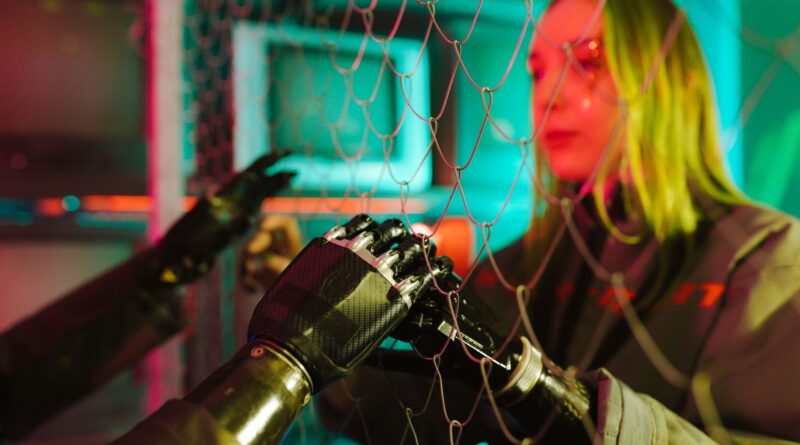
AI Fear Persists: Examining American Public Sentiment in 2026

Hostinger Cloud Hosting: Ultra-Fast NVMe Storage & 99.9% Uptime Guarantee
Power your high-traffic WordPress websites with managed cloud infrastructure, automated daily backups, free SSL, and 24/7 expert support.
📌 Key Takeaways
- Surveys from 2024-2025 revealed AI as a top fear for Americans, a sentiment that has persisted into 2026.
- Key drivers of this apprehension include concerns over job displacement, ethical dilemmas like algorithmic bias and privacy, and the perceived lack of control over AI systems.
- This sustained public fear significantly influences global AI regulatory efforts and directs research towards AI safety and interpretability.
- Building public trust through transparent development and robust ethical guidelines is crucial for the responsible integration and acceptance of AI technologies.
AI Fear Persists: Examining American Public Sentiment in 2026
As of late 2026, the public’s perception of artificial intelligence remains a complex tapestry, with foundational anxieties observed in earlier years continuing to shape discourse and policy. The rapid evolution of AI, from sophisticated large language models to increasingly autonomous systems, has consistently placed it high on the list of societal concerns.
Context: A Retrospective on Public Apprehension
Reports from 2024 and 2025, notably highlighted by Marketplace.org, consistently indicated that AI was among the top fears for Americans. This sentiment underscored a growing apprehension regarding the swift advancement and deeper integration of AI technologies into daily life. While the precise drivers of this fear varied, common threads included concerns over job displacement, ethical implications, and the potential for misuse.
Key Analysis: The Enduring Roots of AI Anxiety
The apprehension noted in earlier reports was not merely a fleeting worry but rather a reflection of deep-seated concerns that have only become more pronounced by 2026. Experts from institutions like Stanford University’s Institute for Human-Centered Artificial Intelligence (HAI) have extensively documented the multifaceted nature of public anxiety surrounding AI. This fear, as analysts suggest, stems from several critical areas:
Economic Disruption and Job Security
The specter of widespread job automation, particularly in sectors previously considered immune to technological replacement, remains a primary concern. Despite economic growth in some AI-driven fields, the displacement of workers in manufacturing, customer service, and even creative industries has fueled public unease. Labor organizations and policy think tanks continue to advocate for robust retraining programs and social safety nets to mitigate these impacts, yet the fear of economic instability persists.
Ethical Quandaries and Control
Beyond economic fears, the ethical dimensions of AI development have intensified. Concerns about algorithmic bias, privacy erosion through advanced data surveillance, and the accountability of autonomous decision-making systems are now central to policy debates. The development of sophisticated AI tools by global labs such as DeepMind and OpenAI has necessitated a more critical examination of their deployment, particularly in sensitive areas like national security and public administration. The perceived lack of human control over increasingly intelligent systems contributes significantly to public anxiety, prompting calls for more transparent and explainable AI architectures.
Why This Matters in the Long Run
The enduring public fear surrounding AI has profound long-term implications for its development and societal acceptance. It directly influences regulatory frameworks currently being drafted by governments worldwide, including the European Union’s AI Act and ongoing legislative efforts in the United States. Furthermore, it shapes research priorities, pushing institutions like MIT and Carnegie Mellon towards greater emphasis on AI safety, robustness, and interpretability. Building public trust is paramount for the successful, equitable integration of AI. Without addressing these anxieties through transparent development, robust ethical guidelines, and effective public education, the full potential of AI may be hampered by societal resistance and regulatory gridlock.
Conclusion
The journey to integrate artificial intelligence responsibly into society is fundamentally tied to understanding and addressing public apprehension. As we move further into the AI era, fostering trust through proactive governance and human-centric design will be critical in navigating the complex interplay between innovation and societal well-being.
📌 Key Questions Answered
What was the primary finding regarding AI sentiment in earlier reports?
Reports from 2024 and 2025, as highlighted by Marketplace.org, consistently indicated that AI was high on the list of what Americans feared most.
What are the main reasons cited for public fear of AI?
The primary reasons include concerns over job displacement, ethical implications such as bias and privacy, and the perceived lack of control over autonomous AI systems.
How does this public sentiment impact AI development and policy by 2026?
This enduring fear influences regulatory frameworks, directs research priorities towards AI safety and interpretability, and underscores the need for transparent development to build public trust.
📚 Story Sources:
- AI is high on the list of what Americans fear most – Marketplace.org (news.google.com)
This article was synthesized by AI from the multiple sources above for educational and informational purposes.
Image Credit: Photo by Yaroslav Shuraev on Pexels