
Redefining Independence 2026: The AI, Robotics, and Neural Interface Revolution

Hostinger Cloud Hosting: Ultra-Fast NVMe Storage & 99.9% Uptime Guarantee
Power your high-traffic WordPress websites with managed cloud infrastructure, automated daily backups, free SSL, and 24/7 expert support.
📌 Key Takeaways
- AI, robotics, and neural interfaces are converging to redefine human independence by augmenting physical and cognitive functions.
- AI provides intelligent core functions like predictive analytics, robotics offers physical assistance, and neural interfaces enable direct brain-computer control.
- This technological triad fosters greater inclusion and drives significant growth in assistive technology and neurotech markets.
- Ethical considerations, including data privacy, human agency, and equitable access, are crucial for the responsible development of these transformative technologies.
Redefining Independence 2026: The AI, Robotics, and Neural Interface Revolution
The convergence of Artificial Intelligence (AI), advanced robotics, and sophisticated neural interfaces is fundamentally reshaping the very definition of human independence in 2026, propelling society towards unprecedented levels of capability and autonomy.
Once confined to the realm of science fiction, these interconnected technologies are now actively empowering individuals by augmenting physical and cognitive functions. From highly personalized assistive devices for those with disabilities to enhancing the operational capacity of healthy individuals, this technological triad is creating new paradigms for how humans interact with their environment and overcome traditional limitations. The shift is not merely about assistance but about a complete re-evaluation of what it means to be self-reliant in an increasingly interconnected and technologically advanced world.
Key Analysis: The Pillars of Redefined Independence
The transformative power lies in the synergistic application of these three distinct yet complementary fields. AI, through its capabilities in predictive analytics, personalized learning, and autonomous decision-making, acts as the intelligent core. It enables systems to understand user needs, anticipate actions, and adapt in real-time, making assistive technologies more intuitive and effective. For instance, AI-driven prosthetics learn user gait patterns, while smart home systems predict needs, automating environmental controls for greater autonomy.
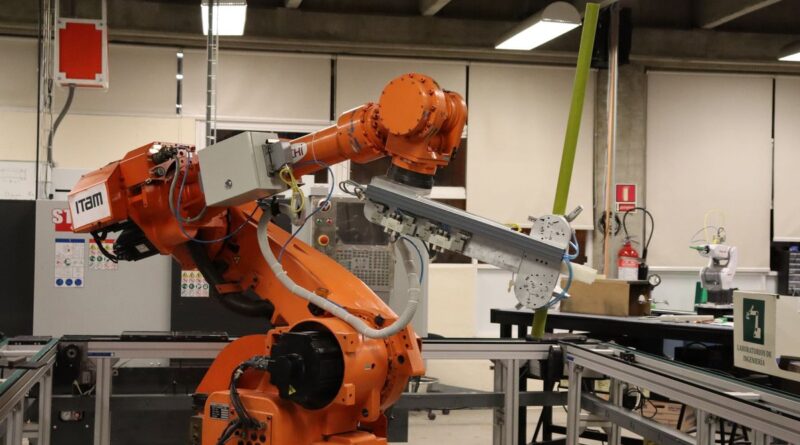
Robotics provides the physical embodiment and functional dexterity required to interact with the material world. Advanced exoskeletons offer mobility to those with paralysis, while dexterous robotic arms assist with complex tasks previously inaccessible. Collaborative robots (cobots) are increasingly integrated into personal spaces, providing physical aid without requiring constant human oversight. Research at institutions like Carnegie Mellon and the German Aerospace Center (DLR) continues to push the boundaries of robotic manipulation and human-robot interaction, making these systems safer and more user-friendly.
Neural interfaces, or Brain-Computer Interfaces (BCIs), represent the most direct pathway to independence by establishing a direct communication channel between the brain and external devices. Innovations from labs such as Stanford’s Neuralink and Blackrock Neurotech are enabling individuals to control robotic limbs, communicate complex thoughts, and even regain sensory perception through thought alone. This direct neural control bypasses traditional physical limitations, offering a profound sense of agency and control. The ethical implications of such direct neural access, including data privacy and cognitive autonomy, are a subject of ongoing global discourse, with regulatory bodies in the EU and US actively formulating frameworks.
Societal and Market Implications
The societal impact of these advancements is profound, fostering greater inclusion for millions globally. Assistive technology markets are experiencing significant growth, driven by increasing adoption rates and continuous innovation. This translates to enhanced quality of life, increased participation in the workforce, and greater social integration for individuals previously marginalized by physical or cognitive constraints. However, this also raises critical questions about equitable access, ensuring these life-changing technologies are not exclusive to affluent populations. Global market analysts project the neurotech and assistive robotics sectors to see sustained double-digit growth through the late 2020s, attracting substantial investment from venture capital and major tech players.
Why This Matters in the Long Run: The Augmented Future
The long-term trajectory points towards a future where the lines between human and technology become increasingly blurred. This isn’t merely about restoring lost function but about augmenting inherent human capabilities, potentially leading to new forms of human experience and interaction. As these technologies mature, they will not only address existing disabilities but also push the boundaries of human potential, influencing educational methodologies, occupational roles, and even our understanding of identity. The responsible development and deployment of AI, robotics, and neural interfaces will be paramount to ensure this augmented future benefits all of humanity, rather than exacerbating existing inequalities.
The ongoing integration of AI, robotics, and neural interfaces marks a pivotal moment in human evolution, offering a future where independence is not limited by biological constraints but expanded by intelligent technology. The challenge now is to navigate this transformative era with foresight, ensuring ethical guidelines and equitable access shape a truly empowering future for all.
📌 Key Questions Answered
How are AI, robotics, and neural interfaces collectively redefining independence?
They are converging to create integrated systems that augment human physical and cognitive functions, offering personalized assistance, enhanced mobility, and direct brain-computer control, thus expanding individual capabilities beyond traditional biological limits.
What are some ethical considerations surrounding the widespread adoption of neural interfaces?
Ethical considerations include privacy concerns regarding brain data, ensuring data security, maintaining human agency, and addressing the equitable access to these advanced, potentially life-changing technologies.
What role does AI play in this technological convergence?
AI acts as the intelligent core, providing predictive analytics, personalized learning, and autonomous decision-making capabilities that allow assistive systems to adapt to user needs, making them more intuitive and effective.
📚 Story Sources:
- How AI, robotics and neural interfaces are redefining independence | Hindustan Times – Hindustan Times (news.google.com)
This article was synthesized by AI from the multiple sources above for educational and informational purposes.
Image Credit: Photo by Diego Martinez on Pexels