
US Grid Modernization: The DOE’s Smart Grid Plan | The Pivot News

Hostinger Cloud Hosting: Ultra-Fast NVMe Storage & 99.9% Uptime Guarantee
Power your high-traffic WordPress websites with managed cloud infrastructure, automated daily backups, free SSL, and 24/7 expert support.
📌 Key Takeaways
- The U.S. Department of Energy is leading a strategic initiative to modernize the nation’s aging electrical grid.
- A ‘smart grid’ uses digital, two-way communication to improve efficiency, reliability, and automation.
- Key drivers for this modernization include the need to integrate intermittent renewable energy sources like solar and wind, and to manage new demands like EV charging.
- This long-term project is considered foundational for U.S. economic competitiveness, national security, and achieving climate goals.
Blueprint for Tomorrow: Analyzing the DOE’s Push for US Grid Modernization
The U.S. Department of Energy (DOE) is leading a major project to update the nation’s power grid. Instead of small fixes, the goal is a complete overhaul. This new “smart grid” will use technology to create a stronger and more reliable energy system. It is being designed to handle modern challenges, from adding more clean energy sources to protecting against cyberattacks. The total investment and project costs are still being calculated, with official figures not yet confirmed.
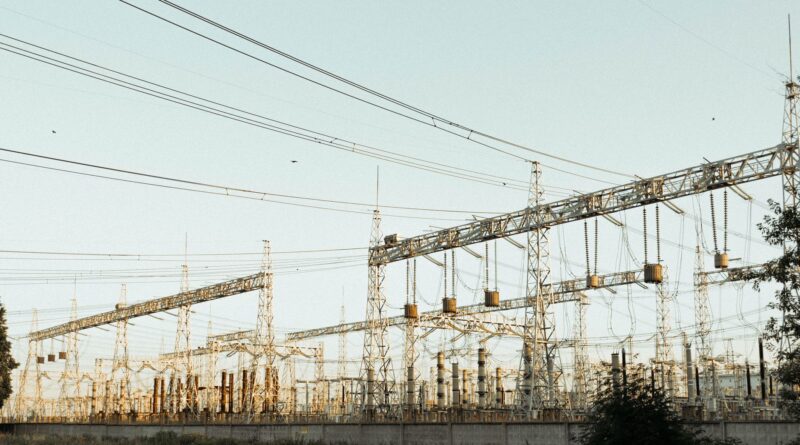
Today’s power grid was a great achievement when it was built, but it is now aging. It mainly sends electricity in one direction, from power plants to homes and businesses. This old system is struggling to keep up with new demands. The DOE’s plan to build a smart grid isn’t just about replacing old wires. It’s about adding smart technology, like a digital brain, to our power infrastructure. This will make the grid more flexible, efficient, and secure.
What Makes a Grid ‘Smart’?
The move to a smart grid is happening because of new technology and the need for a better energy system. The DOE is focused on a few key areas that separate the old grid from the new one.
From One-Way to Two-Way Communication
A key change is moving from a one-way flow of power to a two-way exchange of both electricity and information. A smart grid uses a network of sensors, smart meters, and automatic controls. This allows power companies and customers to communicate in near real-time. With this data, companies can spot stress on the network, redirect power to prevent blackouts, and run the system more smoothly. For customers, it creates opportunities to better manage energy use and save money.
Integrating a Cleaner Energy Future
A major reason for this update is the growth of renewable energy, like solar and wind power. An old grid has trouble balancing these sources because they don’t produce power all the time. A smart grid, however, can use advanced weather forecasts, large-scale energy storage like batteries, and automated controls to smoothly add renewables to the system. This helps ensure a steady supply of power even when the sun isn’t shining or the wind isn’t blowing. This is also vital for handling new power demands, such as the need to charge a growing number of electric vehicles (EVs).
Why This Matters for the Future
The DOE’s push for grid modernization is a long-term investment in the country’s economy and security. A strong, intelligent grid is the foundation for building a future economy that relies less on fossil fuels. It improves our ability to withstand extreme weather events and cyberattacks, which are becoming more frequent. By preventing widespread power outages, a modern grid protects businesses and keeps communities running safely. This nationwide effort also helps create new jobs in the technology and clean energy sectors. Ultimately, modernizing the grid isn’t just about keeping the lights on; it’s about building a more secure, resilient, and prosperous future for everyone.
📌 Key Questions Answered
What is the primary goal of US grid modernization?
The main goal is to improve the reliability, resilience, and efficiency of the nation’s electrical grid, primarily to better integrate renewable energy sources and defend against modern threats.
What defines a ‘smart grid’?
A smart grid is an electricity network that uses digital technology for two-way communication between utilities and customers, which enables automation, real-time monitoring, and dynamic response to changes in supply and demand.
Which government body is leading this initiative?
The U.S. Department of Energy (DOE) is a key driver, fostering the innovation and policy frameworks necessary for a nationwide grid modernization effort.
📚 Story Sources:
- Innovation – Department of Energy (.gov) (news.google.com)
This article was synthesized by AI from the multiple sources above for educational and informational purposes.
Image Credit: Photo by Kris Møklebust on Pexels