
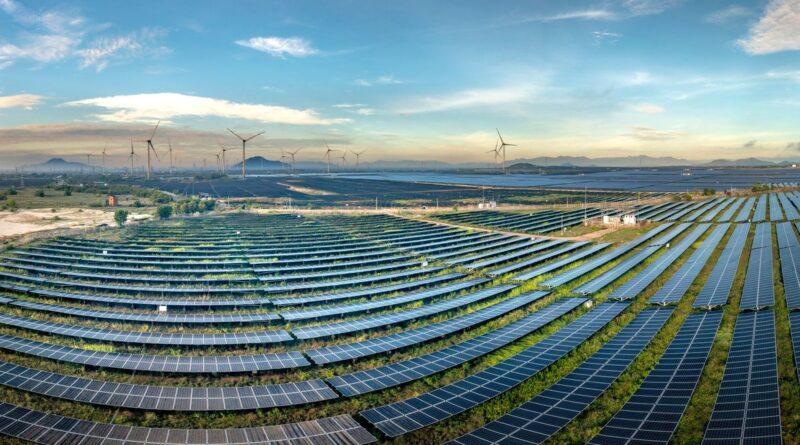
AI’s Climate Paradox: 2026 Reflects on Clean Energy vs. Consumption Debate

Hostinger Cloud Hosting: Ultra-Fast NVMe Storage & 99.9% Uptime Guarantee
Power your high-traffic WordPress websites with managed cloud infrastructure, automated daily backups, free SSL, and 24/7 expert support.
📌 Key Takeaways
- The 2024 Climate Week talks highlighted AI’s paradoxical role: a powerful tool for clean energy solutions but also a significant contributor to energy consumption.
- Experts debated AI’s potential to optimize renewable grids and accelerate climate tech innovations against its escalating energy demands from data centers.
- As of 2026, the challenge remains to integrate AI responsibly, ensuring its growth supports, rather than hinders, global decarbonization goals.
- The discussions emphasized the need for sustainable computing practices and transparency regarding AI’s environmental footprint.
AI’s Climate Paradox: 2026 Reflects on Clean Energy vs. Consumption Debate
Two years after the pivotal 2024 Climate Week talks, the fundamental tension between artificial intelligence’s promise for accelerating clean energy and its escalating environmental footprint remains a defining paradox of our technological age.
During the 2024 Climate Week, global leaders and industry experts convened to address the accelerating climate crisis. A significant portion of these discussions, as reported by WFMZ.com, centered on the burgeoning role of artificial intelligence. The prevailing sentiment was a complex mix of optimism regarding AI’s potential to optimize renewable energy grids and develop novel climate solutions, juxtaposed with growing apprehension over the technology’s substantial energy demands and carbon emissions from large-scale data centers and training models.
Key Analysis: The Dual Nature of AI in Climate Action
The core of the 2024 debate revolved around the dual nature of AI. On one hand, its analytical capabilities were lauded as a crucial tool for climate mitigation. Experts envisioned AI optimizing energy consumption in smart cities, predicting weather patterns for renewable energy generation, and even accelerating materials science research for advanced battery technology. This perspective, often championed by tech innovators and environmental policy advocates, positioned AI as an indispensable ally in the race to net-zero.
However, a counter-narrative, gaining traction even then, highlighted AI’s “hidden” environmental cost. The computational intensity required for AI development and deployment—particularly for large language models and complex machine learning algorithms—translates directly into immense energy consumption. This energy, if not sourced from renewables, contributes significantly to greenhouse gas emissions. Industry observers noted that while AI could make existing systems more efficient, the sheer scale of its growth threatened to outpace these gains, creating an unanticipated burden on global energy infrastructure. The 2024 discussions, therefore, did not yield a clear consensus but rather underscored a critical challenge: harnessing AI’s power responsibly.
Why This Matters in the Long Run
As of 2026, the questions first extensively debated at the 2024 Climate Week talks have only intensified. The rapid advancements in AI since then have amplified both its potential for climate solutions and its energy footprint. Global research labs, from DeepMind to Stanford, continue to push the boundaries of AI, necessitating a parallel focus on sustainable computing practices. The long-term trajectory of global decarbonization efforts is intrinsically linked to how effectively the tech sector can decouple AI innovation from increased carbon emissions, transforming AI from a potential energy liability into a definitive climate asset. This ongoing challenge requires integrated policy, technological innovation, and a commitment to transparency regarding AI’s environmental impact.
The delicate balance between leveraging AI for a sustainable future and managing its ecological cost remains a central dilemma, underscoring the need for continued vigilance and innovative solutions in the years to come.
📌 Key Questions Answered
What was the primary concern regarding AI at the 2024 Climate Week talks?
The primary concern was the dual nature of AI, specifically its potential to aid clean energy solutions versus its significant energy consumption and carbon footprint.
How was AI envisioned to help climate mitigation during the discussions?
AI was envisioned to optimize energy consumption, predict weather for renewable generation, and accelerate materials science for advanced battery technology.
What is the ongoing challenge related to AI and climate as of 2026?
The ongoing challenge is to decouple AI innovation from increased carbon emissions, ensuring that the technology becomes a definitive climate asset rather than an energy liability.
📚 Story Sources:
- Climate Week talks balance hope for clean energy against uncertainty over artificial intelligence – WFMZ.com (news.google.com)
This article was synthesized by AI from the multiple sources above for educational and informational purposes.
Image Credit: Photo by Quang Nguyen Vinh on Pexels