
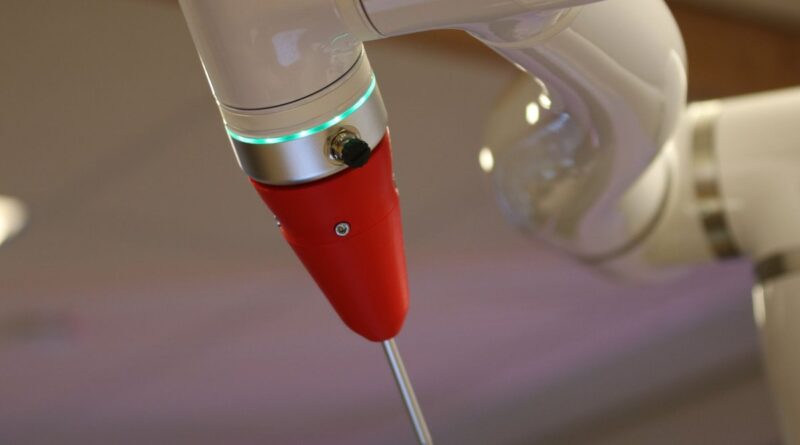
Robotics MD/MS Program: Pioneering the Future of Surgical Autonomy

Hostinger Cloud Hosting: Ultra-Fast NVMe Storage & 99.9% Uptime Guarantee
Power your high-traffic WordPress websites with managed cloud infrastructure, automated daily backups, free SSL, and 24/7 expert support.
📌 Key Takeaways
- Emory School of Medicine and Georgia Tech launched an MD/MS dual-degree program in robotics to train physician-scientists.
- The program addresses a critical talent gap by combining deep clinical understanding with advanced robotic engineering skills.
- Graduates are uniquely positioned to innovate and implement robotic technologies in areas like surgery, prosthetics, and rehabilitation.
- This initiative serves as a benchmark for interdisciplinary education, shaping the future of healthcare delivery and ethical technology integration.
Atlanta’s Visionary MD/MS Robotics Program Redefines Medical Innovation in 2026
In a strategic move that continues to resonate across the healthcare technology landscape, Emory School of Medicine and Georgia Institute of Technology launched a pioneering MD/MS dual-degree program in robotics. This initiative, which debuted in recent years, was designed to cultivate a new generation of physician-scientists proficient in both advanced medical practice and cutting-edge robotic engineering. As of September 2026, the program stands as a critical benchmark in interdisciplinary education, addressing the escalating demand for clinicians capable of integrating complex robotic systems into patient care.
Key Analysis: Bridging Clinical Practice and Engineering Excellence
The collaboration between Emory, a leading medical institution, and Georgia Tech, renowned for its engineering prowess, was a prescient recognition of the inevitable convergence between medicine and robotics. The MD/MS program aims to equip graduates with the unique skill set required to develop, implement, and critically evaluate robotic technologies in diverse medical fields, from minimally invasive surgery to advanced prosthetics and rehabilitation. This interdisciplinary approach is crucial in an era where robotic assistance is becoming standard in operating rooms and diagnostic procedures, demanding practitioners who understand not just the biological intricacies but also the mechanical, algorithmic, and ethical dimensions of these tools.
Industry observers note that the program directly addresses a significant talent gap. Traditional medical education often lacks extensive exposure to engineering principles, while robotics engineers may not possess the deep clinical understanding necessary to innovate effectively within the complex healthcare environment. By integrating both curricula, the Emory-Georgia Tech initiative creates professionals who can translate unmet clinical needs into technical specifications and guide the safe and effective deployment of robotic solutions. This synergy is particularly vital as AI-driven robotics become more sophisticated, raising questions about human-machine collaboration, data privacy, and the regulatory frameworks governing autonomous medical devices.
Why This Matters in the Long Run: The Evolution of Healthcare Delivery
The long-term impact of programs like the Emory-Georgia Tech MD/MS in Robotics is profound. As global populations age and the demand for precise, efficient, and personalized medical interventions grows, robotic technologies are poised to play an even more central role. Graduates from this program are not merely users of technology but creators and innovators, positioned to drive advancements in areas such as precision surgery, intelligent diagnostic tools, and adaptive rehabilitation robots. Their dual expertise will be instrumental in shaping the ethical guidelines and regulatory standards for future medical AI and robotics, ensuring that technological progress serves human well-being responsibly. This model of integrated education is likely to be emulated by other leading institutions worldwide, solidifying a future where medical innovation is inherently interdisciplinary.
The foresight demonstrated by Emory and Georgia Tech in establishing this program continues to yield dividends, forging a path for healthcare professionals who are not only adept clinicians but also architects of the next generation of medical technology.
📌 Key Questions Answered
What is the core purpose of the MD/MS dual-degree program in robotics?
The program aims to train physician-scientists who possess expertise in both advanced medical practice and robotic engineering, enabling them to integrate complex robotic systems into patient care effectively.
Which institutions collaborated to create this program?
The MD/MS dual-degree program in robotics is a joint initiative between Emory School of Medicine and Georgia Institute of Technology.
What fields does the program aim to impact?
The program seeks to impact diverse medical fields, including minimally invasive surgery, advanced prosthetics, and rehabilitation, by developing and deploying robotic technologies.
📚 Story Sources:
- Emory School of Medicine and Georgia Tech launch new MD/MS dual-degree program in robotics – Emory News (news.google.com)
This source reported on the initial launch of the MD/MS dual-degree program, highlighting the collaboration and its goals from the perspective of the participating institutions.
This article was synthesized by AI from the multiple sources above for educational and informational purposes.
Image Credit: Photo by Freek Wolsink on Pexels