
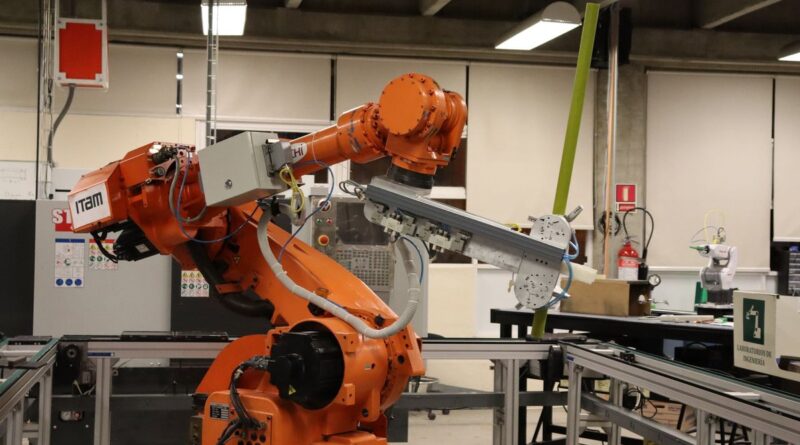
Dual-Degree Pathway Bridges Medicine and Robotics

Hostinger Cloud Hosting: Ultra-Fast NVMe Storage & 99.9% Uptime Guarantee
Power your high-traffic WordPress websites with managed cloud infrastructure, automated daily backups, free SSL, and 24/7 expert support.
📌 Key Takeaways
- Emory University and Georgia Tech established a dual-degree pathway years ago, merging medicine and robotics.
- This program addresses a critical demand for professionals with hybrid clinical and engineering expertise in healthcare.
- The initiative fosters innovation in areas like robotic surgery, diagnostics, and patient care, while also navigating ethical considerations.
- The pathway serves as a model for future interdisciplinary education, shaping the long-term trajectory of medical technology and practice.
Convergence of Disciplines: Emory and Georgia Tech’s Pioneering Pathway
October 03, 2026 – The landscape of medical innovation continues its rapid evolution, driven significantly by interdisciplinary collaboration. A prime example, first highlighted by Newswise, is the dual-degree pathway established years ago between Emory University and the Georgia Institute of Technology, designed to bridge the traditionally distinct fields of medicine and robotics. This program, now a few years into its operation, has become a critical model for cultivating professionals equipped to navigate the complex intersection of advanced technology and patient care.
This initiative, a testament to forward-thinking academic strategy, allows students to pursue both medical and engineering degrees, specifically focusing on robotics. The rationale behind its creation was clear: as robotic systems become increasingly integral to diagnostics, surgery, rehabilitation, and patient monitoring, a new generation of healthcare providers and engineers is needed—individuals who possess deep clinical understanding alongside sophisticated technical expertise. This pathway addresses a crucial talent gap, fostering innovators who can not only operate advanced medical robots but also contribute to their design, development, and ethical deployment.
Key Analysis: The Strategic Imperative of Hybrid Expertise
The establishment of such a specialized pathway reflects a broader strategic imperative within both the healthcare and technology sectors. Analysts suggest that the demand for professionals with hybrid skills in medicine and engineering has surged over the past five years. The integration of artificial intelligence and machine learning into robotic systems has amplified this need, requiring practitioners who understand the nuances of human physiology and pathology as intimately as they grasp algorithmic logic and mechanical design. Programs like the Emory-Georgia Tech pathway are not merely academic offerings; they are foundational investments in the future of precision medicine and automated care delivery.
The societal impact of this convergence is profound. Robotic surgery, once a niche application, is now commonplace for a range of procedures, offering enhanced precision, minimally invasive options, and improved patient outcomes. Beyond the operating room, robotics is transforming elder care, assisting individuals with disabilities, and streamlining pharmaceutical research. However, this advancement also brings ethical considerations, including patient data security, the potential for algorithmic bias in diagnostic tools, and the evolving role of human-robot interaction in therapeutic settings. Graduates from such dual-degree programs are uniquely positioned to address these challenges, ensuring that technological progress remains aligned with patient well-being and equitable access.
Why This Matters in the Long Run
The Emory and Georgia Tech dual-degree pathway represents more than just an academic collaboration; it is a blueprint for the future of specialized education in an era of accelerating technological integration. By fostering a cohort of professionals fluent in both the language of medicine and the mechanics of robotics, this initiative is directly contributing to the next wave of healthcare innovation. Its long-term impact will be measured not only in groundbreaking medical devices and procedures but also in the establishment of new standards for interdisciplinary research and clinical practice, potentially influencing similar programs globally. This model ensures that as technology advances, human-centered care remains at the forefront of its application.
The continued success and expansion of such programs will be vital in shaping a future where medical challenges are met with increasingly sophisticated, yet ethically sound, technological solutions.
📌 Key Questions Answered
What is the Emory and Georgia Tech dual-degree pathway?
It is an academic program that allows students to pursue dual degrees, combining studies in medicine (from Emory University) and robotics (from the Georgia Institute of Technology).
What is the purpose of this dual-degree pathway?
The pathway aims to create professionals with expertise in both clinical medicine and advanced robotics, addressing the growing need for interdisciplinary skills in healthcare technology.
Which institutions are involved in this program?
Emory University and the Georgia Institute of Technology are the two institutions collaborating on this dual-degree pathway.
📚 Story Sources:
- New Emory and Georgia Tech Dual-Degree Pathway Bridges Medicine and Robotics | Newswise – Newswise (news.google.com)
Newswise reported on the initial establishment of this dual-degree pathway, highlighting its innovative nature and the collaboration between two prominent institutions.
This article was synthesized by AI from the multiple sources above for educational and informational purposes.
Image Credit: Photo by Diego Martinez on Pexels
Pingback: Emory & Georgia Tech Launch Dual-Degree in Med-Robotics | The Pivot News - The Pivot News