
September’s Unicorn Surge: A 2024 Bellwether for 2026 Tech Dominance

Hostinger Cloud Hosting: Ultra-Fast NVMe Storage & 99.9% Uptime Guarantee
Power your high-traffic WordPress websites with managed cloud infrastructure, automated daily backups, free SSL, and 24/7 expert support.
📌 Key Takeaways
- September 2024 saw 38 companies achieve unicorn status, marking a significant period of venture capital activity.
- The surge was predominantly driven by innovation in semiconductor, financial technology (Fintech), and space technology sectors.
- This historical event highlighted the foundational technologies that continue to underpin economic growth and societal change by 2026.
- The sustained impact of these sectors validates early investor foresight, shaping today's global tech landscape.
September’s Unicorn Surge: A 2024 Bellwether for 2026 Tech Dominance
Looking back from October 2026, a specific period stands out as a pivotal inflection point in the recent history of venture capital and technological advancement: the blockbuster September of 2024. During this single month, a remarkable 38 companies ascended to the coveted ‘unicorn’ status, as tracked by Crunchbase, signaling robust investor confidence and a burgeoning innovation pipeline across several critical sectors.
This unprecedented surge, which saw companies achieve valuations of $1 billion or more, was not uniformly distributed. Instead, it was heavily concentrated in three strategic domains: semiconductor technology, financial technology (Fintech), and the rapidly expanding space technology sector. This concentration offered a clear prognosis for the technological landscape that would solidify by mid-decade, laying the groundwork for many of the foundational shifts we observe today.
Key Analysis: The Enduring Pillars of 2024’s Unicorn Class
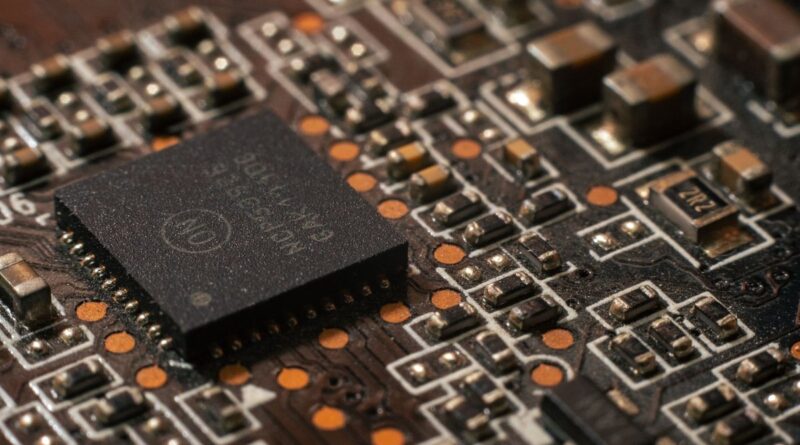
The prominence of semiconductor companies among the 2024 unicorns underscored an escalating global demand for advanced computing power and specialized chips. This demand, fueled by the relentless expansion of artificial intelligence, high-performance computing, and the Internet of Things, positioned these startups as crucial enablers of the broader digital economy. By October 2026, the strategic importance of semiconductor independence and innovation has only intensified, with geopolitical considerations further amplifying investment in domestic and allied chip manufacturing and design firms. The companies that achieved unicorn status in this sector in 2024 have often become acquisition targets for larger tech conglomerates or have matured into established players themselves, driving forward the next generation of silicon.
Fintech’s strong showing in September 2024 reflected a continued digital transformation of financial services, moving beyond mere payment processing to encompass sophisticated blockchain applications, embedded finance solutions, and AI-driven personalized banking. This wave of innovation sought to democratize access, enhance security, and streamline transactions globally. Two years later, the impact is evident in the pervasive integration of digital wallets, decentralized finance (DeFi) components in mainstream banking, and the increasing sophistication of fraud detection systems, many pioneered by firms that gained early traction during that period.
Perhaps most indicative of future trends was the significant representation of space technology companies. This sector, once the exclusive domain of national agencies, had clearly entered a new era of private enterprise. The 2024 unicorns in space tech focused on diverse areas, from satellite constellations for global broadband and Earth observation to advanced propulsion systems and in-space manufacturing. This historical moment reflected a maturing ecosystem driven by lower launch costs and increasing commercial applications. By 2026, these companies, alongside established giants, are actively shaping global connectivity, climate monitoring, and resource exploration, demonstrating the long-term viability and transformative potential of the commercial space industry.
Why This Matters in the Long Run
The ‘blockbuster September’ of 2024 serves as a critical historical marker, illustrating how concentrated venture capital inflows into specific, high-potential sectors can act as a powerful accelerator for technological evolution. The sustained growth and impact of semiconductor, Fintech, and space technology firms two years on validate the foresight of investors and innovators during that period. This event was not merely a fleeting moment of high valuations but a clear signal of the foundational technologies that would underpin economic growth and societal change through the mid-2020s and beyond. It highlights the cyclical yet ever-advancing nature of technological disruption, where early investment in core infrastructure and enabling platforms yields profound, long-lasting dividends.
As we navigate the complexities of 2026, the patterns established in that remarkable September continue to influence strategic decisions in both public and private sectors, underscoring the enduring value of innovation in semiconductors, finance, and the final frontier.
📌 Key Questions Answered
What was significant about September 2024 for the tech industry?
September 2024 was a 'blockbuster' month during which 38 companies joined the Crunchbase Unicorn Board, indicating a significant surge in high-valuation tech startups.
Which sectors primarily drove the unicorn growth in September 2024?
The growth was primarily led by companies in the semiconductor, financial technology (Fintech), and space technology sectors.
What does 'unicorn status' mean in the context of Crunchbase's board?
Unicorn status refers to privately held startup companies that have achieved a valuation of $1 billion or more.
📚 Story Sources:
- 38 Companies Join The Crunchbase Unicorn Board In Blockbuster September, Led By Semiconductor, Fintech And Space Tech Companies – Crunchbase News (news.google.com)
This article was synthesized by AI from the multiple sources above for educational and informational purposes.
Image Credit: Photo by Ivan Chumak on Pexels