
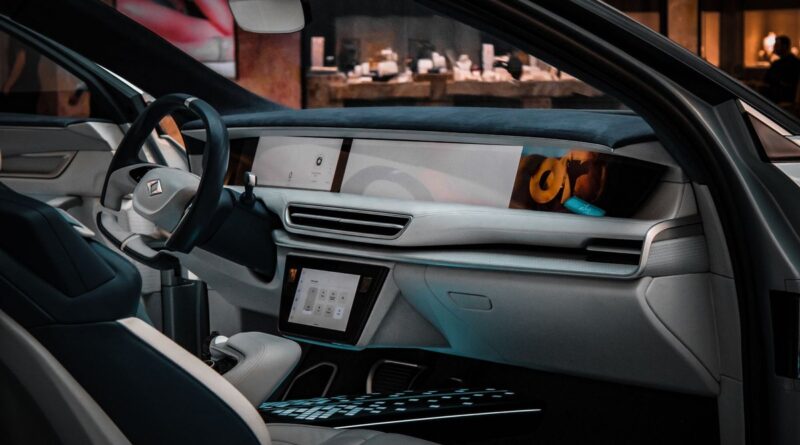
Chery’s JETOUR Strategy: Retrospective on Smart Travel Innovation by 2026

Hostinger Cloud Hosting: Ultra-Fast NVMe Storage & 99.9% Uptime Guarantee
Power your high-traffic WordPress websites with managed cloud infrastructure, automated daily backups, free SSL, and 24/7 expert support.
📌 Key Takeaways
- Chery's JETOUR brand strategically focused on integrating technology with real-world travel, anticipating future automotive trends.
- The initiative positioned Chery to capitalize on the shift towards smart, connected, and software-defined vehicles by 2026.
- Chery's broader innovation expansion aimed to transform it into a comprehensive mobility solutions provider.
- This strategy highlights the automotive industry's redefinition of vehicles as 'third spaces' and key components of mobility as a service.
By October 2026, the automotive industry stands at the precipice of a new era, largely defined by the convergence of advanced technology and the travel experience. A strategic initiative announced by Chinese automotive giant Chery a few years prior, through its JETOUR brand, highlighted this exact trajectory: connecting cutting-edge technology with real-world travel. This foresight, as reported by Yahoo Finance, laid the groundwork for how Chery aimed to position itself in an increasingly competitive global market for smart vehicles.
The Foundational Vision: JETOUR’s Tech-Travel Nexus
The initial announcement emphasized JETOUR’s commitment to integrating advanced technological solutions directly into the travel experience. This wasn’t merely about adding screens to dashboards; it was about reimagining the vehicle as a connected, intelligent, and intuitive extension of the traveler’s digital life. This vision, articulated in the mid-2020s, anticipated the consumer demand for seamless connectivity, enhanced safety features, and personalized in-car experiences that have become standard expectations by 2026.
Chery’s broader strategy, encompassing this JETOUR initiative, focused on expanding its innovation footprint. This involved significant investment in research and development, particularly in areas like artificial intelligence for predictive maintenance, advanced driver-assistance systems (ADAS) evolving towards higher levels of autonomy, and robust in-vehicle infotainment platforms. The goal was to move beyond traditional vehicle manufacturing to become a comprehensive mobility solutions provider, a trend observed across leading global automotive players.
Key Analysis: Navigating the Smart Mobility Landscape
By 2026, the global automotive sector has undergone a profound transformation, with software-defined vehicles and electric powertrains dominating strategic discussions. Chery’s early emphasis on the ‘tech-travel’ connection through JETOUR positioned it to capitalize on these shifts. Industry analysts note that brands which proactively integrated digital ecosystems into their vehicles have gained a significant competitive edge. This includes not only advanced hardware but also proprietary software stacks and robust data analytics capabilities to personalize user experiences and offer new services.
The strategic importance of this move for Chery, a major player in emerging markets and increasingly in established ones, cannot be overstated. As global markets demand more sophisticated and environmentally conscious transportation options, the ability to innovate rapidly in areas like smart cockpits, energy management, and autonomous features becomes critical. Reports suggest that Chery’s commitment to expanding innovation through brands like JETOUR allowed it to develop bespoke solutions tailored to diverse consumer needs, from urban commuting to adventure travel, reinforcing its market presence against both legacy automakers and new tech-centric entrants.
Why This Matters in the Long Run
The long-term implications of Chery’s JETOUR strategy extend beyond market share. It reflects a fundamental redefinition of what a ‘car company’ is. By prioritizing the integration of technology with the travel experience, Chery, through JETOUR, contributed to the broader industry shift towards mobility as a service (MaaS) and the concept of vehicles as ‘third spaces’ – extensions of home and office. This focus on user-centric technology paves the way for future advancements in fully autonomous vehicles, sustainable transport solutions, and deeply personalized travel ecosystems, shaping urban planning and lifestyle choices for decades to come.
The trajectory set by Chery’s innovation expansion through JETOUR serves as a critical case study in how established automotive manufacturers can adapt and thrive in an era dominated by technological disruption and evolving consumer expectations for intelligent, connected mobility.
📌 Key Questions Answered
What was the core focus of Chery's JETOUR initiative?
The core focus was to connect advanced technology with real-world travel experiences, aiming to integrate digital solutions directly into the vehicle and user journey.
How did Chery plan to expand its innovation through this strategy?
Chery aimed to expand its innovation footprint by investing in research and development for areas like AI, ADAS, and in-vehicle infotainment, moving towards becoming a comprehensive mobility solutions provider.
What broad industry trend did JETOUR's strategy align with?
JETOUR's strategy aligned with the industry trend of software-defined vehicles, electric powertrains, and the increasing consumer demand for seamless connectivity and personalized in-car experiences.
📚 Story Sources:
- JETOUR Connects Technology with Real-World Travel as Chery Expands Innovation – Yahoo Finance (news.google.com)
This article was synthesized by AI from the multiple sources above for educational and informational purposes.
Image Credit: Photo by Emre Aslihak on Pexels