
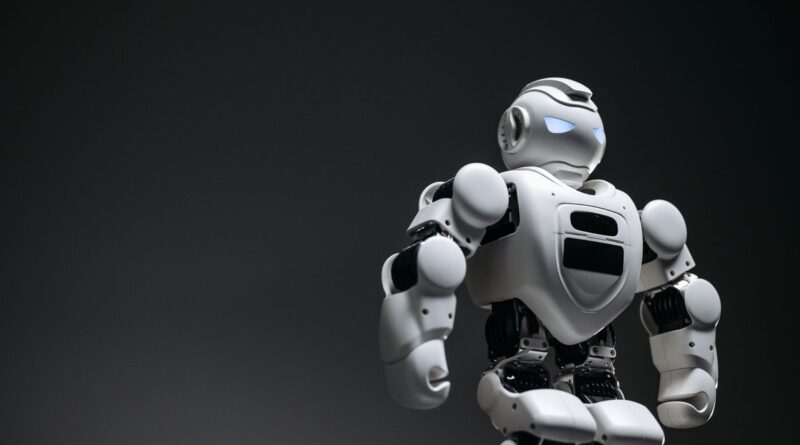
Fastest Soft Robot: Electronics-Free Design Reshapes Automation by 2026

Hostinger Cloud Hosting: Ultra-Fast NVMe Storage & 99.9% Uptime Guarantee
Power your high-traffic WordPress websites with managed cloud infrastructure, automated daily backups, free SSL, and 24/7 expert support.
📌 Key Takeaways
- A new soft robot has achieved record-breaking speed without requiring any electronic components.
- This innovation simplifies robotic design, enhances durability, and allows operation in environments hostile to electronics.
- The breakthrough signifies a shift towards robots with intrinsic intelligence derived from material properties and mechanical design.
- It holds significant implications for reducing costs, broadening robotic applications, and fostering safer human-robot interaction.
Revolutionizing Robotics: The Era of Electronics-Free Soft Machines
In a significant stride for robotics, the development of the fastest soft robot ever built, operating entirely without conventional electronics, continues to be a pivotal point in automation discussions as of November 2026. This landmark achievement, initially highlighted by outlets like Tech Xplore, underscored a fundamental shift in how robotic systems can be designed and deployed, moving beyond the traditional reliance on complex electronic circuitry for control and movement.
The Paradigm Shift: Autonomy Without Circuits
The core innovation lies in the robot’s ability to achieve record-breaking speeds for its class while eschewing the microprocessors, sensors, and wiring typically associated with robotic locomotion. This design philosophy promises enhanced durability, simplified manufacturing, and unprecedented adaptability in environments where electronics are vulnerable to damage from water, radiation, or extreme temperatures. Researchers involved in this breakthrough have focused on leveraging advanced material science and mechanical principles to imbue the robot with intrinsic intelligence, allowing it to react and move based on physical interactions rather than programmed commands.
This approach fundamentally redefines autonomy. Instead of external computation dictating every action, the robot’s very structure and material composition enable its functionality. Industry observers note that such designs could drastically reduce the cost and complexity of robotic systems, broadening their applicability across various sectors from delicate manufacturing to exploration in hazardous environments. The absence of electronic components also mitigates concerns around electromagnetic interference, opening new avenues for deployment in sensitive medical or scientific settings.
Key Analysis: Implications for Future Automation
The emergence of electronics-free soft robots presents a compelling case for a new generation of automated systems. Analysts suggest that the robustness and inherent compliance of these machines make them ideal for tasks requiring close human-robot interaction, where traditional rigid robots pose safety concerns. Furthermore, the simplicity of their operational mechanism could lead to faster development cycles and easier maintenance, accelerating the adoption of robotics in small and medium-sized enterprises (SMEs) that might otherwise be deterred by the high costs and technical expertise required for conventional robotic solutions.
While specific global labs or universities were not detailed in initial reports, this area of research is known to be a focus for institutions globally exploring bio-inspired robotics and smart materials. The emphasis is on creating systems that mimic biological organisms’ efficiency and resilience, which often operate without centralized electronic control. The global market implications are substantial, potentially creating entirely new segments for specialized robots that can thrive where current electronic robots fail.
Why This Matters in the Long Run
The development of the fastest electronics-free soft robot is not merely an engineering feat; it represents a significant step towards a future where robotics is more pervasive, resilient, and integrated into our physical world. In the long term, this innovation could lead to breakthroughs in fields like disaster response, where robots need to navigate unpredictable and dangerous terrains without risking electronic failure. It also paves the way for more organic and intuitive human-robot interfaces, fundamentally altering how we interact with automated systems. This trajectory suggests a future where robots are less like complex machines and more like adaptable, intelligent tools seamlessly integrated into diverse operational landscapes.
As 2026 progresses, the ongoing research and development in this domain will likely focus on scaling these designs, enhancing their functional versatility, and exploring mass production techniques. The initial breakthrough of a fast, electronics-free soft robot remains a testament to the power of interdisciplinary research in material science, mechanics, and robotics.
📌 Key Questions Answered
What is the key innovation of this soft robot?
The primary innovation is that it is the fastest soft robot ever built and functions entirely without the need for traditional electronic components like microprocessors or sensors.
What are the potential advantages of an electronics-free robot?
Such robots offer enhanced durability, simplified manufacturing, and greater adaptability in environments where electronics are vulnerable, such as in water, radiation, or extreme temperatures.
How does this robot achieve movement without electronics?
While specific mechanisms are not detailed, this class of robot typically leverages advanced material science and mechanical principles, allowing it to react and move based on physical interactions rather than programmed electronic commands.
📚 Story Sources:
- The fastest soft robot ever built doesn't need electronics to function – Tech Xplore (news.google.com)
This article was synthesized by AI from the multiple sources above for educational and informational purposes.
Image Credit: Photo by Pavel Danilyuk on Pexels