
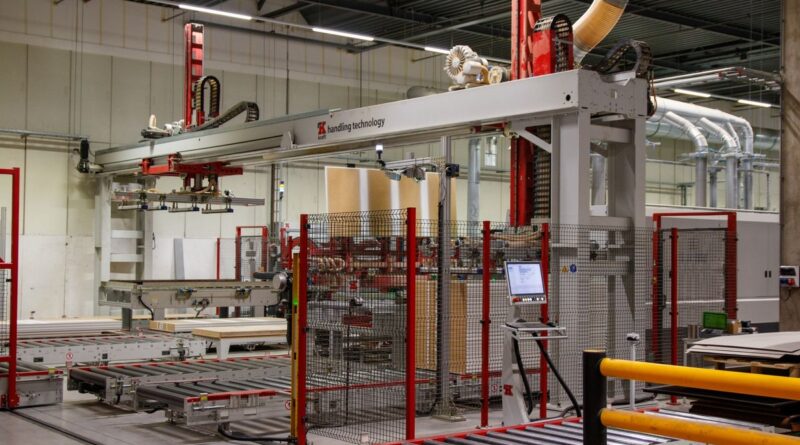
Robotics Investment Outlook 2026: Enduring Sector Growth

Hostinger Cloud Hosting: Ultra-Fast NVMe Storage & 99.9% Uptime Guarantee
Power your high-traffic WordPress websites with managed cloud infrastructure, automated daily backups, free SSL, and 24/7 expert support.
📌 Key Takeaways
- Financial analysis firms like Zacks Investment Research previously highlighted robotics as a key sector for impressive returns.
- By 2026, the robotics sector has matured into a foundational pillar for various industries, driven by efficiency demands and AI integration.
- The investment landscape has shifted towards integrated solutions, including software and RaaS, with increasing focus on ethical considerations.
- Robotics is poised for long-term societal impact, transforming productivity, labor, and requiring thoughtful governance.
As the global economy increasingly pivots towards automation and intelligent systems, the investment landscape for robotics has remained a focal point for market analysts. Years prior, financial institutions like Zacks Investment Research highlighted “Top Robotics Stocks to Add to Your Portfolio for Impressive Returns,” signaling an early recognition of the sector’s burgeoning potential. As of September 2026, this foresight continues to resonate, albeit with a more nuanced understanding of market dynamics and technological maturation.
The Enduring Appeal of Robotic Innovation
The initial investment thesis presented by Zacks and similar analyses centered on the transformative power of robotics across various industries. This vision has largely materialized. By 2026, robotics is no longer a niche technology but a foundational pillar of modern manufacturing, logistics, healthcare, and even consumer services. The drive for increased efficiency, precision, and resilience in supply chains, exacerbated by global labor shifts and demographic changes, has solidified the sector’s growth trajectory.
According to recent reports from institutions like the International Federation of Robotics (IFR), global robot installations have continued their upward trend, driven by sustained demand in automotive, electronics, and emerging sectors like agriculture and construction. The integration of advanced artificial intelligence, particularly in perception, decision-making, and human-robot interaction, has propelled a new generation of more versatile and adaptive robotic systems. Research from leading labs such as MIT’s Computer Science and Artificial Intelligence Laboratory (CSAIL) and Stanford’s AI Lab consistently demonstrates breakthroughs in robot learning and manipulation, paving the way for wider commercial deployment.
Market Evolution and Strategic Investments
While the initial recommendations from financial research firms like Zacks aimed at capturing early growth, the market has since matured, demanding a more strategic approach from investors. The robotics ecosystem now encompasses a broader range of companies, from established industrial automation giants to agile startups specializing in specific applications like surgical robotics or autonomous mobile robots (AMRs). Industry observers note a shift from pure hardware plays to companies offering integrated solutions, including software, AI platforms, and service models (Robotics-as-a-Service, RaaS). This evolution reflects a broader trend in technology markets where value creation increasingly stems from ecosystem integration and recurring revenue streams.
Ethical considerations and regulatory frameworks are also increasingly shaping the investment landscape. Discussions around job displacement, data privacy, and the autonomous decision-making capabilities of AI-powered robots are prompting closer scrutiny from policymakers and the public. Companies demonstrating robust ethical AI governance and a commitment to responsible innovation are gaining a competitive edge, a factor that was perhaps less prominent in earlier investment analyses.
Why This Matters in the Long Run
The long-term impact of robotics extends far beyond portfolio returns. It represents a fundamental re-architecting of global productivity, labor markets, and societal interaction. The sustained investment in robotics, as advocated by firms like Zacks in prior years, underscores a global commitment to technological advancement as a solution to complex challenges, from aging populations to climate change. As robots become more ubiquitous, their influence will touch every facet of life, driving unprecedented levels of automation and requiring continuous adaptation from human workforces and educational systems. The ethical and societal dialogues surrounding this pervasive integration will define the next era of technological progress, demanding thoughtful governance and inclusive development strategies.
The robotics sector, once identified for its impressive return potential, has evolved into a critical component of the global technological infrastructure, demanding a forward-looking perspective that balances innovation with responsibility.
📌 Key Questions Answered
What makes robotics an attractive investment in 2026?
Robotics offers increased efficiency, precision, and resilience across manufacturing, logistics, and healthcare, driven by AI integration and global demands for automation.
How has the robotics investment market evolved since earlier analyses?
The market has matured from pure hardware plays to integrated solutions, including software, AI platforms, and Robotics-as-a-Service (RaaS) models, reflecting a broader ecosystem.
What long-term impacts are expected from sustained robotics investment?
Robotics is fundamentally re-architecting global productivity and labor markets, offering solutions to complex challenges while necessitating continuous adaptation and ethical governance.
📚 Story Sources:
- Top Robotics Stocks to Add to Your Portfolio for Impressive Returns – Zacks Investment Research (news.google.com)
This article was synthesized by AI from the multiple sources above for educational and informational purposes.
Image Credit: Photo by Freek Wolsink on Pexels