
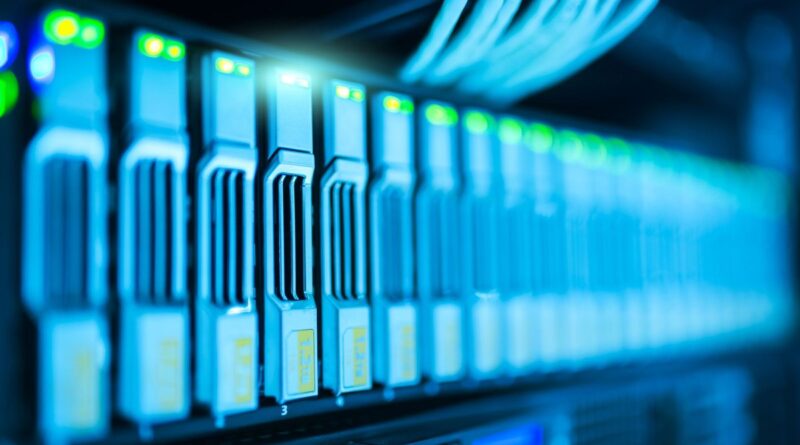
Clean Energy Pivot: Data Centers’ Looming Power Challenge 2026

Hostinger Cloud Hosting: Ultra-Fast NVMe Storage & 99.9% Uptime Guarantee
Power your high-traffic WordPress websites with managed cloud infrastructure, automated daily backups, free SSL, and 24/7 expert support.
📌 Key Takeaways
- Data centers’ electricity demand is rapidly escalating due to AI, cloud computing, and IoT, making sustainable power a critical challenge.
- The U.S. Department of Energy is actively focusing on integrating clean energy resources to meet these demands, signaling a national priority.
- Transitioning to clean energy for data centers is crucial for corporate ESG goals, grid stability, energy security, and global climate targets.
- Significant challenges include managing the intermittency of renewables, developing advanced energy storage, and investing in new grid infrastructure.
Clean Energy Pivot: Data Centers’ Looming Power Challenge 2026
The relentless expansion of the digital economy, fueled by advancements in artificial intelligence, cloud computing, and the Internet of Things, has propelled data centers into the spotlight as voracious consumers of electricity. As of late 2026, the imperative to power these critical infrastructures sustainably has reached a new zenith, with the U.S. Department of Energy (DOE) actively highlighting the need for “Clean Energy Resources to Meet Data Center Electricity Demand.” This focus underscores a critical juncture where technological progress must align with environmental stewardship and energy resilience.
The sheer scale of data center energy consumption presents a multifaceted challenge. These facilities operate 24/7, requiring massive amounts of power for computing, cooling, and ancillary systems. As global data generation continues its exponential rise, so too does the energy footprint of the digital backbone. The DOE’s emphasis signals a governmental recognition that this sector’s energy demands cannot be met solely by traditional fossil fuel sources without exacerbating climate change concerns and straining existing grids. The pivot towards clean energy, therefore, is not merely an environmental preference but an economic and strategic necessity for national digital infrastructure.
The Sustainability Imperative and Its Complexities
The drive to integrate clean energy into data center operations is propelled by multiple factors. Corporations are increasingly committed to ambitious Environmental, Social, and Governance (ESG) goals, with many pledging to achieve net-zero emissions. Powering data centers with renewables directly contributes to these targets, enhancing corporate reputation and investor confidence. Furthermore, reliance on local, renewable energy sources can improve energy security and reduce exposure to volatile fossil fuel markets. However, the transition is not without significant hurdles.
The primary challenge lies in the intermittency of many renewable sources like solar and wind, which do not provide constant power. Data centers, by their very nature, demand uninterrupted, high-quality power. This necessitates sophisticated energy management systems, robust battery storage solutions, and often, hybrid approaches combining renewables with grid power or even small modular reactors (SMRs) in some advanced proposals. Integrating these diverse energy sources requires substantial investment in new transmission infrastructure and smart grid technologies capable of dynamically balancing supply and demand.
Key Analysis: Bridging the Energy Gap
Industry observers note that the scale of investment required to transition data centers to predominantly clean energy sources is immense, involving collaboration across government, energy utilities, and technology giants. Research initiatives by institutions like the National Renewable Energy Laboratory (NREL), often supported by the DOE, focus on optimizing power usage effectiveness (PUE) and exploring innovative cooling technologies to reduce overall energy demand. Concurrently, advancements in grid-scale energy storage and long-duration storage solutions are critical enablers for achieving 24/7 renewable power for these facilities. The market implications are profound, driving innovation in renewable energy generation, energy storage, and smart grid software.
Why This Matters in the Long Run
The successful integration of clean energy into data center operations is a linchpin for the global energy transition and the future of digital economies. As AI becomes more pervasive, the energy intensity of computation will only increase. A sustainable power model for data centers ensures the continued growth of the digital sector without compromising global climate goals. It also fosters the development of more resilient, decentralized energy grids capable of supporting essential services in an era of increasing energy demand and climate volatility. This ongoing effort will shape energy policy, technological innovation, and the very foundation of our interconnected world for decades to come.
The DOE’s continued focus on this area underscores an enduring commitment to solving one of the 21st century’s most pressing infrastructure challenges: powering the digital future with clean, reliable energy.
📌 Key Questions Answered
Why is data center electricity demand a growing concern?
The exponential growth of artificial intelligence, cloud computing, and the Internet of Things leads to increasing data generation and processing, requiring data centers to consume vast amounts of electricity for computing and cooling, straining existing grids and contributing to carbon emissions.
What role does the U.S. Department of Energy play in this issue?
The U.S. Department of Energy highlights the critical need for 'Clean Energy Resources to Meet Data Center Electricity Demand,' indicating a focus on policy, research, and initiatives to transition these facilities to sustainable power sources.
What are the main challenges in powering data centers with clean energy?
Key challenges include the intermittency of renewable sources, the need for robust energy storage solutions, significant investments in new transmission infrastructure, and the development of advanced smart grid technologies to ensure uninterrupted power supply for always-on data center operations.
📚 Story Sources:
- Clean Energy Resources to Meet Data Center Electricity Demand – Department of Energy (.gov) (news.google.com)
This article was synthesized by AI from the multiple sources above for educational and informational purposes.
Image Credit: Photo by panumas nikhomkhai on Pexels