
Georgia Tech, Emory Partnership Two Years On: The Future of Medical Robotics Takes Shape

Hostinger Cloud Hosting: Ultra-Fast NVMe Storage & 99.9% Uptime Guarantee
Power your high-traffic WordPress websites with managed cloud infrastructure, automated daily backups, free SSL, and 24/7 expert support.
📌 Key Takeaways
- In 2024, Georgia Tech and Emory University partnered to launch a dual-degree program in Medicine and Robotics.
- The program aims to address the critical need for professionals skilled in both medical science and advanced robotics.
- By October 2026, this initiative is seen as crucial for advancing healthcare technology and establishing new models for interdisciplinary education.
- Graduates are expected to drive innovation in surgical robotics, diagnostic systems, and personalized medicine.
The 2024 announcement of Georgia Institute of Technology and Emory University’s dual-degree program in Medicine and Robotics marked a pivotal moment in interdisciplinary education, now, in October 2026, clearly shaping the next generation of healthcare innovators.
Context: A Visionary Collaboration in 2024
Two years ago, in 2024, Georgia Institute of Technology and Emory University unveiled a groundbreaking dual-degree program designed to bridge the rapidly converging fields of medical science and advanced robotics. This initiative was specifically crafted to equip future professionals with a unique blend of clinical understanding and engineering prowess. The collaboration strategically leveraged Georgia Tech’s globally recognized leadership in engineering and robotics with Emory’s distinguished excellence in medical education and research. At its inception, the program aimed to address an anticipated critical talent gap, preparing graduates to navigate the complex challenges and opportunities arising from the integration of artificial intelligence and robotics into modern healthcare.
Key Analysis: Bridging the Expertise Chasm
The establishment of the Medicine and Robotics dual-degree program was a direct response to the accelerating pace of technological integration within healthcare. As of 2026, the necessity for professionals who possess a deep understanding of both clinical needs and sophisticated technological capabilities is more pronounced than ever. Traditional medical education often lacks extensive exposure to advanced engineering principles, just as robotics curricula can overlook the nuanced biological and ethical considerations inherent in patient care. This program was designed to eliminate that chasm, fostering a new breed of experts capable of innovating from a truly interdisciplinary perspective.
Analysts suggest that the program’s impact extends beyond individual skill sets, influencing the broader ecosystem of medical technology development. By fostering graduates adept at both medical diagnosis and robotic system design, the initiative is expected to accelerate the development of more intuitive surgical robots, highly precise diagnostic imaging systems, advanced prosthetic limbs, and personalized rehabilitation devices. The ethical implications of deploying AI and robotics in sensitive areas like patient autonomy and data privacy are also central to the curriculum, ensuring graduates are not only technically proficient but also ethically grounded.
Why This Matters in the Long-Term
The foresight demonstrated by Georgia Tech and Emory in establishing this program in 2024 is increasingly evident as its first cohorts begin to emerge. This initiative serves as a critical model for future interdisciplinary education globally, demonstrating how academic institutions can proactively address the complex demands of an evolving technological landscape. In the long run, these graduates are poised to lead the transformation of healthcare, driving innovations crucial for tackling challenges such as aging global populations, the rising prevalence of chronic diseases, and the expansion of remote and personalized care delivery. The program’s success reinforces Atlanta’s growing reputation as a significant hub for MedTech innovation, potentially attracting further investment and talent to the region and enhancing its competitiveness in the global healthcare technology market.
The strategic partnership between Georgia Tech and Emory continues to exemplify a proactive approach to preparing the healthcare workforce for an AI-driven future, ensuring that technological advancements are met with informed, ethical, and skilled human oversight.
📌 Key Questions Answered
What is the Georgia Tech and Emory dual-degree program?
It is a program launched in 2024 by Georgia Institute of Technology and Emory University, combining medical studies with robotics engineering, aimed at creating professionals skilled in both fields.
Why was this program established?
The program was created to address the growing need for experts at the intersection of medicine and advanced robotics, driven by rapid technological advancements and the integration of AI in healthcare.
What kind of impact is expected from this program?
It is expected to produce graduates who will innovate in areas like surgical robotics, diagnostic tools, rehabilitation aids, and personalized medicine, significantly influencing the future of healthcare.
📚 Story Sources:
- Georgia Tech, Emory Partner on Medicine and Robotics Dual-Degree Program – Georgia Institute of Technology (news.google.com)
This article was synthesized by AI from the multiple sources above for educational and informational purposes.
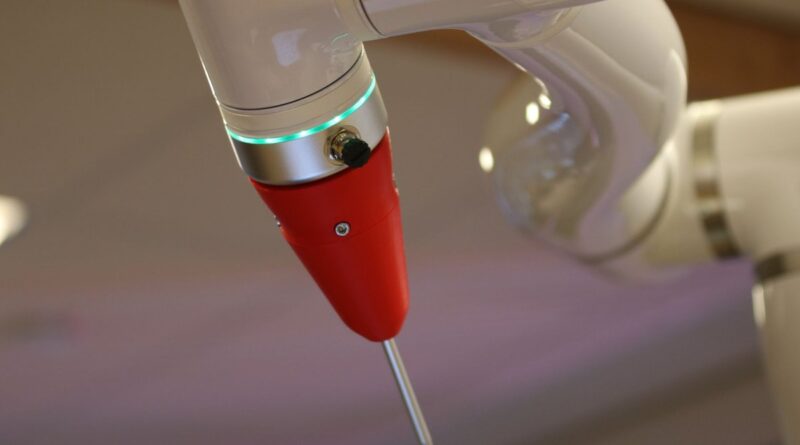
Image Credit: Photo by Freek Wolsink on Pexels
Pingback: Robotics Stocks: The Enduring AI Automation Wave of 2026 - The Pivot News