
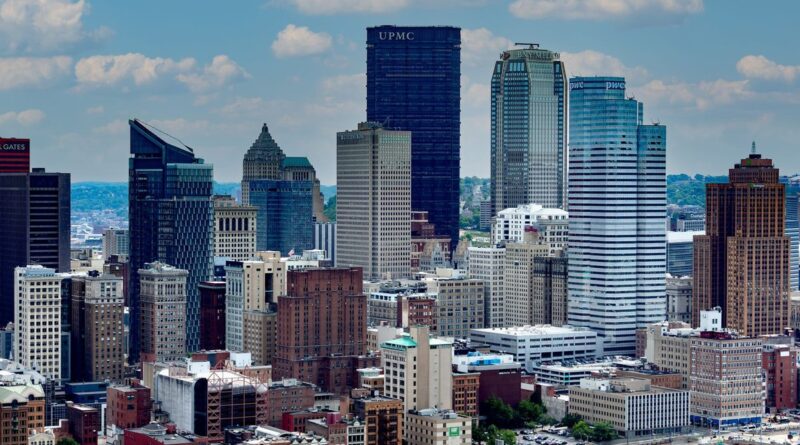
Pittsburgh’s 30-Year Tech Vision: A Blueprint for Urban Reinvention in 2026

Hostinger Cloud Hosting: Ultra-Fast NVMe Storage & 99.9% Uptime Guarantee
Power your high-traffic WordPress websites with managed cloud infrastructure, automated daily backups, free SSL, and 24/7 expert support.
📌 Key Takeaways
- Pittsburgh has successfully transitioned from an industrial 'rust belt' city to a prominent technology hub.
- The city's tech leadership has articulated an ambitious 30-year vision for sustained growth and innovation.
- This long-term strategic planning positions Pittsburgh as a model for urban economic reinvention and future-proofing.
- The strategy encompasses talent development, infrastructure investment, and fostering innovation in sectors like AI and robotics.
Previously: Pittsburgh’s Vision: The 30-Year Tech Roadmap Unfolding by 2026
Pittsburgh’s 30-Year Tech Vision: A Blueprint for Urban Reinvention in 2026
As of late 2026, the ongoing narrative of Pittsburgh’s metamorphosis from an industrial relic to a burgeoning technology hub continues to underscore the power of strategic urban foresight. This transformation, highlighted in earlier reports by outlets such as Technical.ly, positions Pittsburgh not just as a success story of economic revival but as a leading example of long-term strategic planning in the global tech landscape.
In the mid-2020s, Technical.ly reported on how Pittsburgh’s tech leadership was not merely celebrating its success in shedding the ‘rust belt’ moniker, but was actively charting an ambitious course for the next three decades. This forward-thinking approach, moving beyond short-term economic cycles, framed Pittsburgh as a critical case study in sustained urban reinvention driven by innovation, particularly in advanced robotics, artificial intelligence, and biotech.
Key Analysis: The Imperative of a 30-Year Horizon
The commitment to a multi-decade strategic vision, as seen in Pittsburgh, reflects a growing understanding among urban planners and economic developers that sustained growth in high-tech sectors requires foresight well beyond typical political or business cycles. Such a horizon allows for the foundational investments necessary for true innovation ecosystems: developing specialized talent pipelines from early education through postgraduate research, building robust infrastructure capable of supporting future technological demands (e.g., advanced computing networks, specialized manufacturing facilities), and fostering a culture of entrepreneurial risk-taking. This proactive stance aims to solidify Pittsburgh’s position in global tech supply chains and research networks, attracting top-tier talent and capital.
The societal implications of such a long-term strategy are profound. It necessitates inclusive growth models to ensure that the benefits of the tech boom are distributed across all demographics, addressing potential disparities in access to education, housing, and high-paying jobs. Ethical considerations around AI development, data privacy, and automation’s impact on the workforce become central to urban policy, requiring collaboration between academic institutions like Carnegie Mellon University, industry leaders, and local government. Globally, cities with clear 30-year tech roadmaps gain a significant competitive edge, signaling stability and opportunity to international investors and researchers looking for fertile ground for future-defining technologies.
Why This Matters in the Long Run
Pittsburgh’s sustained focus on a multi-decade tech future serves as a potent blueprint for other post-industrial cities aiming for similar revitalizations. It exemplifies a paradigm shift in urban economic development—moving from reactive adaptation to proactive, sustained growth in critical sectors. By planning for 2050 and beyond, cities like Pittsburgh are not only securing their economic futures but are also shaping global trends in innovation, talent migration, and ethical technological advancement. This strategic depth influences how future generations will live, work, and interact with technology, making it a critical model for urban resilience and prosperity in the 21st century.
Ultimately, Pittsburgh’s journey from industrial decline to a tech-driven future, underpinned by a three-decade vision, demonstrates the transformative power of strategic commitment. It reinforces the idea that urban centers can consciously evolve to become pivotal nodes in the global innovation network, provided they embrace long-term planning and foster collaborative ecosystems.
📌 Key Questions Answered
What was Pittsburgh's 'rust' reputation?
Pittsburgh's 'rust' reputation referred to its past as a declining industrial city, particularly known for its steel industry, which faced significant downturns in the late 20th century.
What does it mean for Pittsburgh's tech leaders to look 30 years ahead?
Looking 30 years ahead signifies a long-term strategic commitment to developing Pittsburgh's tech ecosystem, involving sustained investment in talent, infrastructure, and innovation well beyond typical short-term planning cycles.
Which tech sectors are central to Pittsburgh's future vision?
While the source material is broad, Pittsburgh's tech growth is generally associated with advanced robotics, artificial intelligence, and biotech, leveraging its strong academic institutions.
📚 Story Sources:
- Pittsburgh left its ‘rust’ reputation behind. Now its tech leaders are looking 30 years ahead. – Technical.ly (news.google.com)
This article was synthesized by AI from the multiple sources above for educational and informational purposes.
Image Credit: Photo by LaMont L. Johnson on Pexels